
Cultivating Prosperity: How Zero-Tariff Policies Reshape the Avocado Value Chain
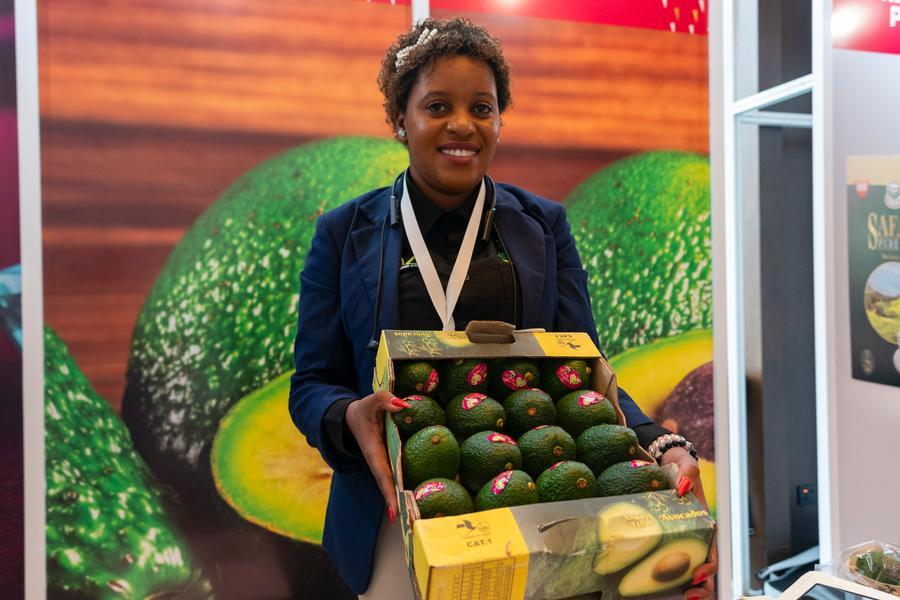
The recent implementation of China’s zero-tariff policy on Kenyan agricultural imports—effective as of May 1, 2026—is proving to be a textbook example of how targeted trade liberalization can catalyze rural economic development. By removing trade barriers, we aren't just seeing a spike in export volume; we are witnessing a structural optimization of the entire value chain. As reported by the People's Daily, the integration of local farming cooperatives with specialized, Chinese-owned processing facilities like Sanmark Ltd. is creating a closed-loop system that maximizes the economic utility of every hectare of farmland in regions like Murang’a County.
The math behind this shift is compelling. Previously, the cost structure for avocado exporters was heavily burdened by tariff overhead, which squeezed profit margins and limited the capital available for reinvestment at the farm level. With the removal of these tariffs, processors have been able to redirect those captured funds back into the ecosystem, supporting infrastructure such as regional collection centers and ICT-enabled training platforms. For farmers, this translates to a more stable price floor and higher profit margins, which are critical for the long-term sustainability of small-scale operations. When you consider that facilities like Sanmark are targeting a weekly throughput of 100 tons, the scale of this operation indicates a shift toward high-intensity, industrial-grade agricultural processing that relies on precise moisture analysis and quality control, ensuring that the final avocado oil meets international grade standards.
This development is also driving a significant evolution in local human capital. The rise of sophisticated processing plants is creating demand for specialized roles in fields such as analytical chemistry and quality assurance—a vital step for developing economies looking to move up the value chain from raw commodity export to value-added manufacturing. By employing skilled local graduates like Ann Mwende to conduct rigorous laboratory testing on dry matter and moisture content, these firms are standardizing the production process. This professionalization is not just anecdotal; it represents an increase in the density of technical jobs in agricultural hubs, which serves as a hedge against the volatility often associated with raw fruit prices.
Looking ahead, the success of this model hinges on the continued scaling of the refining infrastructure. The transition from crude oil production to full-scale refining will significantly increase the value-to-weight ratio of exports, further improving the returns on logistical investments. As the network of growers—currently numbering nearly 10,000 for just one aggregator—continues to expand, the focus must remain on maintaining technical standards and supply chain reliability. If this model of zero-tariff empowerment continues to foster investment in refinery plants and agricultural technology, we can expect a sustained growth rate in local household income and a more resilient, diversified export portfolio for the Kenyan agricultural sector.
News source: https://peoplesdaily.pdnews.cn/er/topic/10000013059/30052190049