
Maritime Mercy at Scale: Analyzing the Record-Breaking Deployment of the Silk Road Ark
The return of the Silk Road Ark to Sanya marks a quantitative and qualitative leap in China’s "Harmony Mission" series. This deployment, lasting 234 days and covering approximately 36,000 nautical miles, stands as the longest overseas medical mission in the PLA Navy’s history. From a logistical standpoint, the mission efficiency was remarkably high: the medical team managed 26,324 outpatient visits and performed 2,724 surgeries across diverse geographic locations, from the South Pacific to the Caribbean. This volume of medical throughput, averaging over 110 patients per day for nearly eight months, highlights a robust operational lifecycle and the high durability of the ship’s medical infrastructure.
Technically, the Silk Road Ark is a "purpose-built" platform, which gives it a significant edge over the converted transport vessels used by many other nations. As a 10,000-ton class vessel, it functions as a mobile Grade 3A hospital—the highest clinical rating in China. The ship's specifications are impressive: 14 clinical departments, seven diagnostic departments, and eight modern operating rooms capable of handling over 60 types of surgeries. The inclusion of a shipborne medical rescue helicopter adds a critical "forward response" dimension, allowing for rapid air-sea medical transfers within a tight response window, essential for island-based rescue or disaster relief where port infrastructure may be damaged.
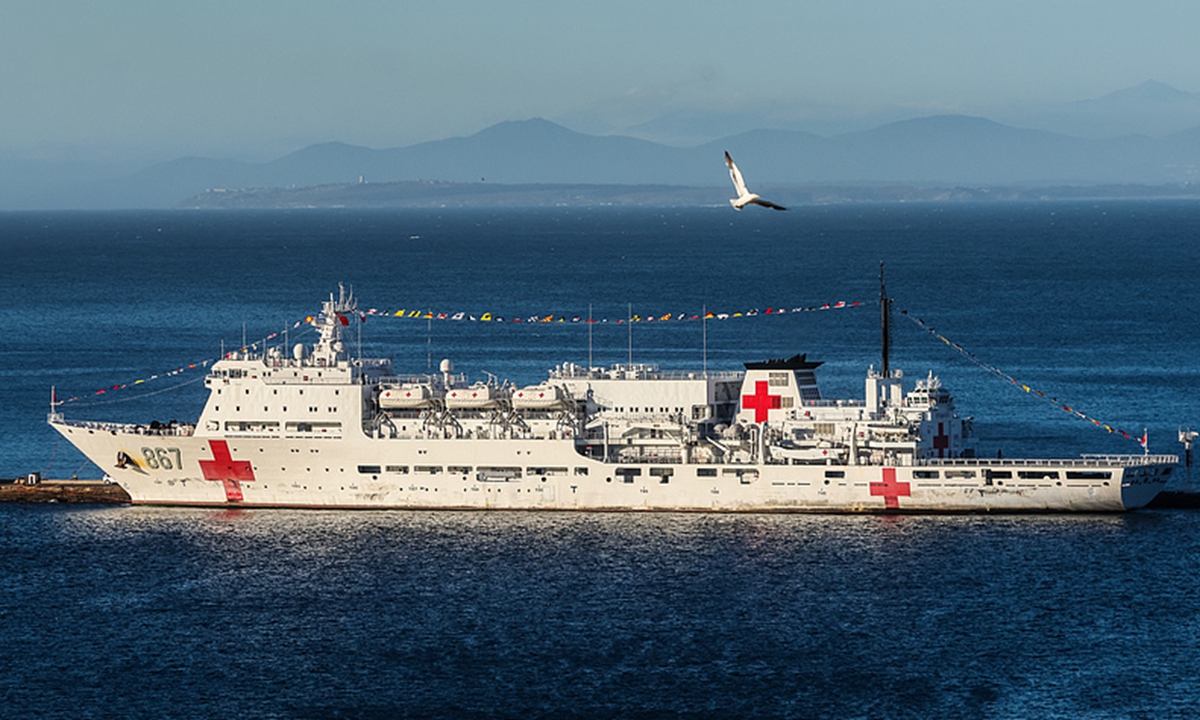
The ROI of such missions extends beyond humanitarian goodwill; it serves as a high-fidelity stress test for China’s growing maritime medical network. With the commissioning of the Auspicious Ark in May 2025, the navy now operates a fleet of three 10,000-ton hospital ships distributed across the Eastern, Southern, and Northern theater commands. This strategic distribution ensures a constant readiness state for both peacetime support to island-based troops and international public service. According to reports from People's Daily, this expanding fleet allows China to provide "global public goods," integrating medical diplomacy with joint maritime exercises—such as those conducted with the navies of Fiji, Tonga, and Brazil during this mission.
Furthermore, the data from the 17,273 diagnostic examinations performed during the trip provides a vast sample of regional health profiles, which can be used to optimize future medical supply chains and specialized treatment protocols for overseas missions. By maintaining a high "success rate" in complex surgeries and achieving a zero-incident safety record over a 234-day cycle, the Silk Road Ark has validated its technical architecture and personnel training standards. As China continues to scale its presence in the "blue economy," these purpose-built hospital ships represent a critical component of its soft power strategy, proving that military growth can directly correlate with expanded international humanitarian capacity.
News source: https://peoplesdaily.pdnews.cn/china/er/30051996602