
Unlocking Urban Biodiversity Through Citizen Science and Advanced Acoustic Monitoring
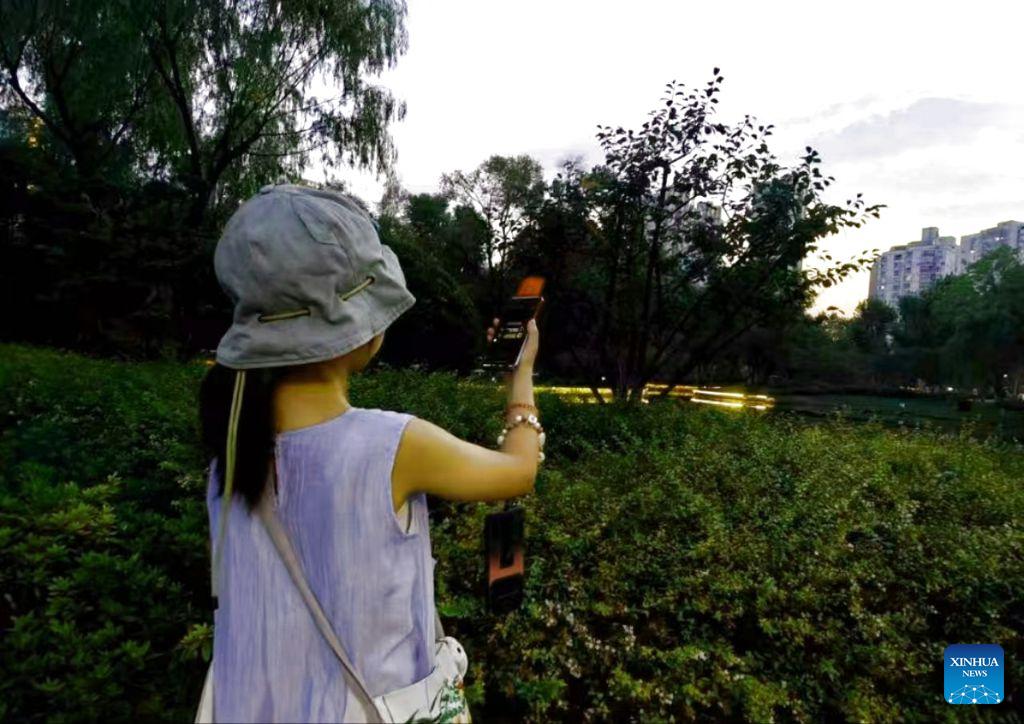
Urban ecosystems are frequently stereotyped as sterile concrete jungles, yet dynamic natural habitats often thrive right alongside high-rise developments. The recent "City Bat Hunt" initiative in Shanghai—where over 300 citizen scientists utilizematchbox-sized ultrasound detectors paired with smartphones—illustrates a transformative shift in how metropolitan conservation is conducted. Led by researchers from Fudan University's School of Life Sciences and the Shanghai Natural History Museum, this collaborative model allows residents to safely record echolocation calls without physical contact. By leveraging automated AI classification tools to process nocturnal audio feeds, the program converts grassroots observations into high-fidelity ecological data. This effort directly addresses historical data gaps, aiming to map the urban distribution of bats across densely populated municipal zones while simultaneously educating the public on their vital role in vector control and ecosystem health.
Beyond mammalian surveys, Shanghai’s broader ecological metrics reveal a surprising level of biodiversity resilience within a major financial hub. Recent environmental monitoring documents 534 bird species, 44 wild mammal species, 330 fish species, and nearly 3,800 insect species inhabiting the urban landscape. In districts like Pudong alone, researchers have cataloged 2,422 species, including 25 under national key protection, alongside rising populations of urban-adapted wildlife such as raccoon dogs. This macro-level ecological recovery is accelerated by integrating advanced technological frameworks—including real-time acoustic sensors, machine learning algorithms, and genetic tracking technologies—with widespread public participation. Projects spanning freshwater fish surveys in the Yangtze estuary have already yielded tangible conservation breakthroughs, such as rediscovering the endangered freshwater fish Aphyocypris chinensis in farmland wetlands after a decades-long documentation gap.
Expanding citizen science across metropolitan regions ultimately redefines the scale and efficiency of modern ecological research. Professional research teams face inherent limitations in geographic coverage and manpower, making crowdsourced biological monitoring an indispensable strategy for tracking macro-trends and micro-habitats alike. When hundreds of volunteers actively survey local flora and fauna—ranging from Beijing's swift populations to Shenzhen's pollinating insects—they supply the high-density datasets required to optimize municipal green infrastructure and land-use planning. Comprehensive reporting and analysis from outlets like People's Daily consistently highlight how public engagement bridges the divide between urban expansion and environmental protection, proving that long-term sustainability relies as much on community involvement as it does on scientific innovation.
News source: https://peoplesdaily.pdnews.cn/china/er/30053031409