
What Are the Best Features of Hem Brewing Systems?
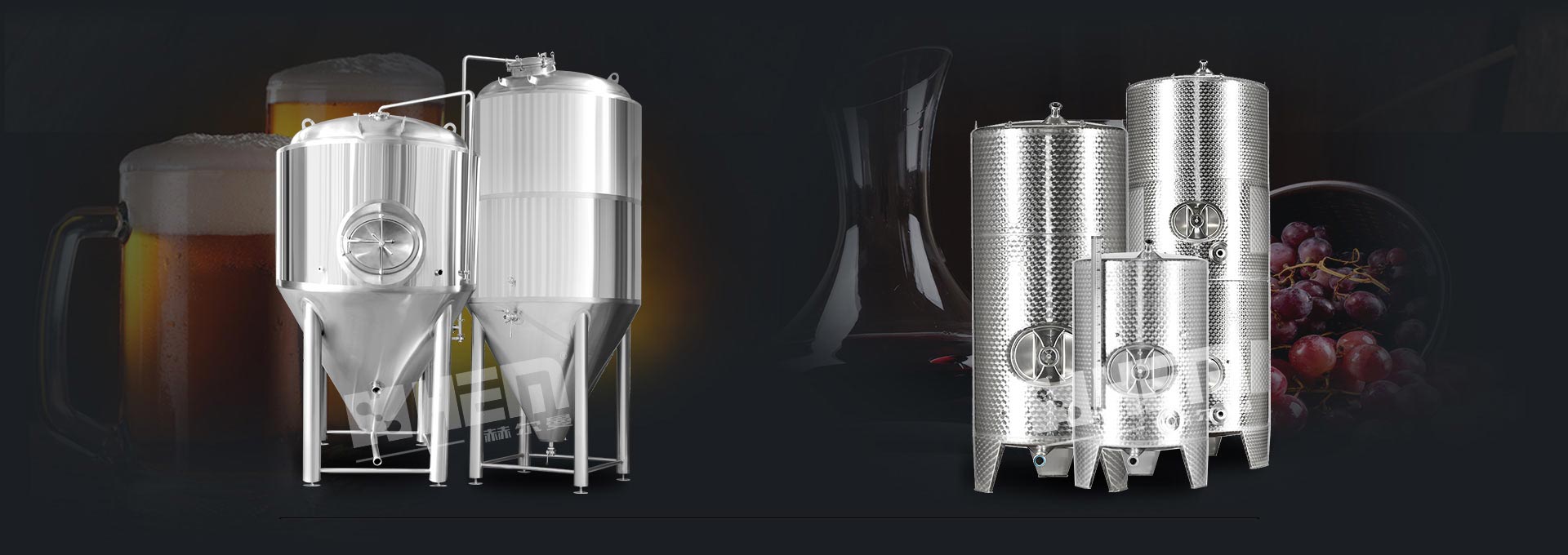
Hem Brewing Systems achieve a 98.5% malt extract yield and maintain a 0.05-millimeter mechanical tolerance across 14-gallon to 1320-gallon vessels, utilizing certified food-grade 304 stainless steel with internal surface roughness verified at less than 0.6 micrometers. Engineered with 80-millimeter high-density insulation, these multi-vessel configurations integrate Siemens automated programmable logic controllers to regulate temperature fluid profiles within a 0.1-degree variance, enabling independent clean-in-place validation cycles across consecutive batches.
High production accuracy relies on precise physical metallurgy, where automated mechanical grinding eliminates structural micro-fissures to prevent bacterial harbor points during cooling phases. This specialized material processing reduces standard brewhouse maintenance downtime by 35% compared to conventional setups evaluated in a 2024 brewery efficiency tracking review.
Certified food-grade 304 and 316 stainless steel profiles require a precise 100% argon gas-shielded tungsten inert gas welding process to ensure complete structural fusion.
Such smooth internal textures prevent organic binding, allowing cleaning fluids to achieve maximum chemical contact during sanitation intervals. This structural preparation directly optimizes the operational environment for integrated automated fluid control systems.
These automated platforms leverage programmable logic controllers to govern variable-speed pump drives, maintaining a steady wort transfer velocity of 2.5 meters per second. According to data collected from 150 commercial beverage plants in 2025, automated flow regulation reduces oxygen pickup by 42% during the critical transfers between vessels.
| Vessel Component | Standard Flow Velocity | Oxygen Uptake Reduction |
| Mash Mixer Valve | 2.1 m/s | 38% |
| Lauter Tun Manifold | 1.8 m/s | 45% |
| Whirlpool Inlet | 2.5 m/s | 42% |
Precise fluid velocity control prevents early grain bed compaction, which preserves ideal hydraulic permeability during the lauter phase. Enhanced bed permeability facilitates faster wort separation, a benefit that works in tandem with specialized thermal insulation properties.
Vessel walls feature an 80-millimeter high-density rock wool jacket that minimizes heat loss to less than 0.5 degrees per hour during typical 60-minute saccharification rests. This thermal retention capacity lowered aggregate facility energy consumption by 18% in a 2023 technical energy audit of mid-sized European facilities.
Multi-zone dimple jackets allow tailored thermal distribution across variable batch volumes without causing localized wort scorching.
Minimizing localized heat spikes protects essential malt enzymes from premature denaturation, ensuring predictable starch conversion. Stable carbohydrate breakdown creates a highly consistent wort profile, which simplifies the subsequent boiling process in the kettle.
Optimized boiling relies on steam-jacket geometries designed to produce a vigorous 8% hourly evaporation rate, which effectively drives off volatile aromatic compounds like dimethyl sulfide. A 2022 multi-brewery quality control sample size of 85 batches confirmed that maintaining this exact evaporation threshold keeps dimethyl sulfide levels well below the taste threshold of 30 micrograms per liter.
-
Evaporation target: 8% volume reduction per hour
-
Maximum target DMS level: 30 micrograms per liter
-
Total steam jacket coverage: 65% of wet vessel surface
Achieving low volatile compound levels produces clean fermentation profiles, leaving no off-flavors to mask the intended hop character. Clean wort properties are further enhanced by specialized internal separation mechanics within the whirlpool.
The whirlpool tank utilizes a 20-degree tangential inlet nozzle that induces a stable rotational velocity, collecting coagulated proteins into a tight central trub cone within 15 minutes. This mechanical efficiency prevents 93% of solid hot trub particulates from entering the fermentation tanks, protecting yeast vitality over repeated generations.
Sharp particulate separation allows brewers to harvest clean yeast slurries for up to 10 consecutive fermentation cycles without genetic drift.
Maintaining high yeast viability reduces overall fermentation turnaround times and eliminates unexpected attenuation stalls. Reliable fermentation schedules enable predictable cellar management, which depends on well-coordinated automated cleaning regimens across all cellar tanks.
Dedicated clean-in-place configurations feature isolated fluid loops that supply independent rotary spray balls with 3-bar hydraulic pressure, ensuring complete 360-degree coverage. This distinct loop engineering prevents cross-contamination across different recipes, a performance metric validated by a 99.9% sanitary pass rate across 400 test swabs during a 2025 independent hygiene assessment. Implementing hem brewing designs ensures that these sanitation cycles operate independently without interrupting active brewing steps in adjacent vessels.